
The Quiet Before the Sessions: Naomi’s Morning Ritual A Sn@Prep Blog Post Written by Navina Harris At 6:15 each morning, before the emails begin and before the first client logs onto her screen, Naomi stands barefoot in her kitchen, waiting for water to simmer. At twenty-nine, Naomi is a licensed therapist living in a small sunlit apartment just outside the city. Her days are spent holding space for others. She listens to grief, anxiety, transition, and hope. She absorbs stories and helps untangle them. The work is meaningful, but it is also heavy. Because of that, the way she begins her morning matters. There is no phone in her hand when she wakes. No scrolling. No noise. Instead, she moves slowly. Curtains open. Windows cracked just enough to let in air. A few minutes of stretching beside her bed, not for fitness, but for awareness. She pays attention to her breath. To the quiet hum of the building. To herself. Then she prepares her chai. The tin of Sn@Prep Premium Traditional Loose Leaf Chai sits on her counter like a small anchor. Cream and gold, simple but intentional. She measures the leaves carefully, noticing the scent before they ever meet the water. Cardamom rises first. Then ginger. Then the warmth of cinnamon and clove. It is not rushed. As the chai simmers, the kitchen fills with something grounding. The aroma feels almost protective. Naomi watches the steam curl upward and reminds herself that she does not have to rush into the day. She allows the tea to take its time. In doing so, she takes her time too. For Naomi, chai is not caffeine. It is regulation. The black tea offers gentle energy without the sharp spike she once felt from coffee. The spices settle her digestion, steady her circulation, and warm her body from the inside out. Beyond the physical effects, there is ritual. There is repetition. There is something deeply stabilizing about performing the same intentional act each morning. She pours the chai into her favorite mug and sits at her small wooden table. No laptop. No planner yet. Just the cup in her hands. The warmth travels into her palms. She inhales before she sips. She checks in with herself the way she will later ask her clients to check in with themselves. What am I carrying today?What do I need?How can I show up with steadiness? Being a therapist means guiding others toward grounding. Naomi knows she cannot offer what she does not cultivate herself. Her mornings are not indulgent. They are necessary. Sn@Prep has become part of that intention. The brand’s commitment to tradition and thoughtful preparation mirrors the way Naomi approaches her work. Nothing is instant. Nothing is forced. Care takes time. Presence requires practice. Preparing her chai with purpose reminds her that she is allowed to begin the day slowly, even if the world outside is fast. By 8:00 a.m., she is ready. Not wired. Not frantic. Just steady. Her clients will never see the steam rising in her kitchen or hear the quiet clink of spoon against mug. But they will feel the grounded presence she carries into the session. And it begins here. With loose leaf tea. With breath. With intention. In a profession centered on healing, Naomi understands something simple yet powerful. The way you start your morning shapes the way you hold your day. And for her, that shaping begins with chai.
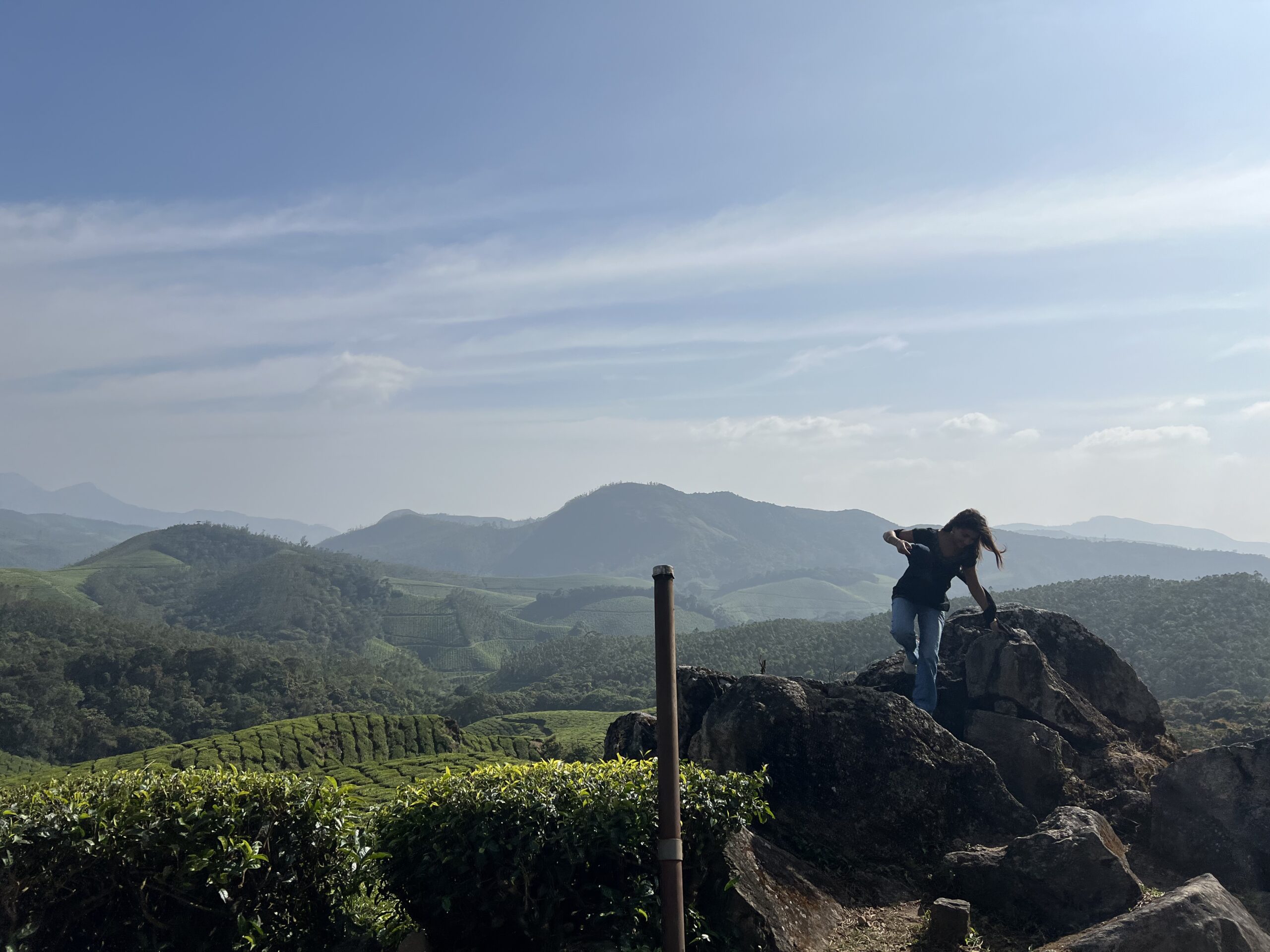
Unforgetable Memories of the Indian Tea Hills
Right before the new year, I traveled to India to visit my family, beginning in Bangalore and eventually making my way south into Kerala. I expected the trip to be meaningful, as visits home always are, but I didn’t expect one place to quietly anchor itself in my memory the way Munnar did. The journey there began long before we reached the mountains. A dear family friend named Punith, someone who has always felt less like an assistant and more like an extension of our family, drove us from Bangalore toward Kerala. What should have been a six-hour drive stretched into nearly twelve. We stopped often, for bathroom breaks, for meals, and for rest. But every stop shared the same ritual. Each of us would order two or three small servings of chai, standing near roadside stalls or sitting on plastic chairs, cups warming our hands. Even before arriving in the tea hills, chai had already structured our days. It punctuated time, marked pauses, and quietly reminded me how deeply ingrained it is in Indian culture. Chai was not scheduled. It simply happened, repeatedly, effortlessly woven into movement and rest. By the time we reached Munnar, that rhythm felt natural. Munnar sits within the Kanan Devan Hills, a high-elevation region of the Western Ghats that rises between roughly 1,500 and 2,600 meters above sea level. The altitude shapes everything here. The air is cooler and thinner, scented with earth, rain, and tea leaves. Endless plantations ripple across the hills; their green softened by mist that moves slowly, as if even the clouds are unhurried. The landscape feels suspended between motion and stillness. Nature does not sit at a distance here. Wildlife lives alongside you. Monkeys appear suddenly and without ceremony, crossing paths and rooftops as if they have always belonged there. Seeing wild elephants moving freely through the land was one of the most grounding experiences of my life. There was no spectacle to it, only presence. Watching them exist so calmly in their own rhythm made it impossible not to feel small in the best way. To better understand the land we were standing on, we visited the Kanan Devan Hills tea museum, which traces the history of tea cultivation in the region. Walking through the exhibits, I learned how tea was first planted here in the late nineteenth century, how the estates were shaped by colonial industry, and how generations of workers transformed these hills into one of India’s most significant tea-producing regions. Old machinery, photographs, and records told a story not just about production, but of labor, endurance, and continuity. Seeing the history laid out like that, I added depth to every cup of tea I drank afterward. The hills were no longer just beautiful. They were storied. What truly transformed my experience in Munnar, though, was tea, not as a product, but as practice. Walking through the tea gardens, I learned how traditional Indian chai begins long before water ever meets leaf. The process starts in the soil, shaped by altitude, climate, and patience. Only the youngest leaves are hand-plucked, a practice unchanged for generations. Watching this unfold made it clear that tea here is not mass-produced with energy. It is cultivated attention. I learned how the leaves are withered, rolled, oxidized, and dried, with each step requiring time, intuition, and restraint. Nothing is rushed. The process mirrors the philosophy of Ayurveda, where balance matters more than speed, and intention shapes outcome. Tea production here is not separate from wellness. It is one of its oldest expressions. Chai, in its traditional form, is deeply ceremonial. The spices used, such as ginger, cardamom, cloves, cinnamon, and black pepper, are chosen not just for flavor, but for function. Each ingredient supports digestion, circulation, immunity, or mental clarity. Chai adapts to season, climate, and body type, much like Ayurvedic medicine itself. In the mountains, the blend felt grounding and warming, almost protective against the cool air. This philosophy of care extended beyond tea and into the body itself. During my stay, I experienced a traditional Ayurvedic oil massage, rooted in the same principles of balance and restoration. Warm herbal oils were applied slowly and deliberately, not to fix anything, but to support the body in returning to equilibrium. The experience felt deeply ancient and deeply personal, like participating in a lineage of care that had existed long before me. At unexpected moments, I found myself thinking of my grandparents. Of the routines they lived by, the quiet discipline of daily rituals, and the way wellness was never spoken about, only practiced. In Munnar, surrounded by tea hills shaped by time and labor, I felt closer to them than I had in years. The act of drinking chai, of slowing down, of honoring the body, felt like a continuation rather than a discovery. Drinking chai in Munnar felt less like consuming something and more like participating in a ritual. The act demanded presence. You will wait for it. You watch it a simmer. You smell it before you taste it. There is an unspoken understanding that this moment matters, not because it is rare, but because it is repeated with care. This is where wellness tourism reveals its truest form. In Munnar, wellness is not a retreat you book or a product you buy. It is embedded in daily rhythms, in the way tea is prepared, in the way the body is treated, and in the way the land is respected. Tea estates and wellness spaces invite you not just to relax, but to listen, to learn, and to slow yourself to the pace of the mountains. As someone of Indian descent raised in the United States, this experience felt like a reconnection not just to a place, but to a way of living that had always been mine, even if I had never fully named it. Chai, something so familiar with it once faded into the background, revealed itself as inheritance. Every cup carries history, health, and a